

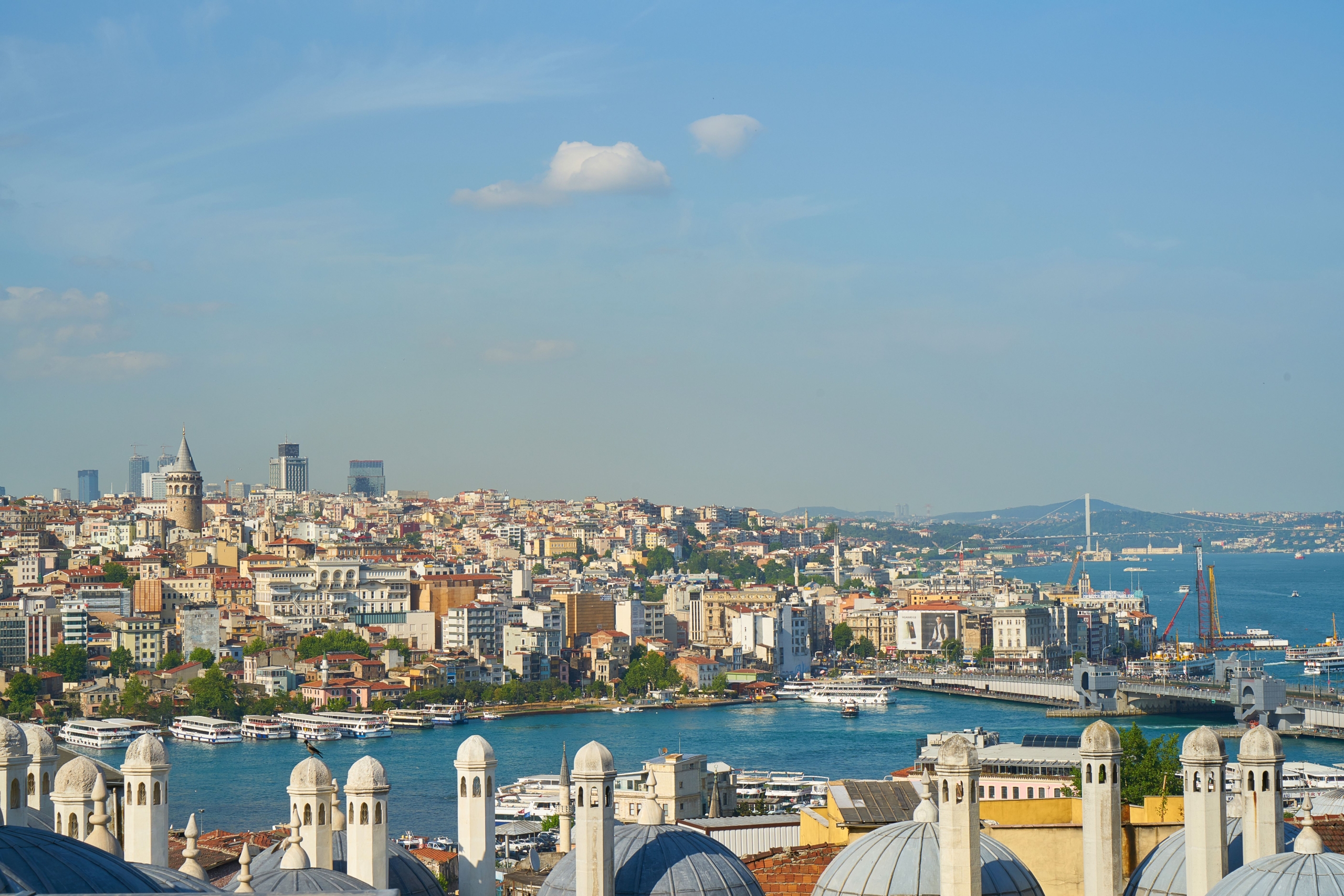
Ask any Istanbul local and you’ll spark an instant, good-natured debate. Ask any foreign property investor and you’ll spark a far more practical one — because the answer to “European or Asian side?” has real, measurable consequences for your rental income, your resale value, and your day-to-day lifestyle. Istanbul is the only city on earth split across two continents by a strait, and that geography has shaped two genuinely different property markets sitting just a ferry ride apart.
Here’s what the data actually says.
The European Side: Istanbul’s Economic Engine
The European side (Avrupa Yakası) is home to Istanbul’s financial core, its busiest tourist attractions, and the overwhelming majority of foreign rental demand. This is where Beşiktaş, Şişli, Beyoğlu, and Sarıyer sit — districts that function as Istanbul’s equivalent of Manhattan or central London.
Pricing: Premium European-side neighborhoods like Beşiktaş command $3,500–$8,000+ per square meter, with the most exclusive Bosphorus-front pockets of Bebek and Arnavutköy reaching well above 100,000 TRY per square meter. Nişantaşı (within Şişli) trades at similarly elevated levels thanks to its flagship luxury retail and old-money prestige.
Why investors pay the premium: Major infrastructure is overwhelmingly concentrated here. Istanbul Airport — the world’s largest — sits on the European side, as does the planned Istanbul Canal project, a second shipping channel intended to relieve Bosphorus congestion. Both are multi-decade catalysts for jobs, logistics, and long-term demand. The European side also captures the lion’s share of Istanbul’s tourism, which matters enormously for short-term rental performance: neighborhoods like Galata, Karaköy, and Sultanahmet see Airbnb occupancy rates of 60–70% in peak season, with one-bedroom units generating 30,000–60,000 TRY per month during the busiest periods.
The honest trade-off: You pay for that performance. Entry prices are higher across the board, and some of the most “iconic” addresses — like Bebek — deliver better capital appreciation than rental yield, since purchase prices are already elevated relative to achievable rents.
The Asian Side: No Longer the “Cheaper Alternative”
For years, the Asian side (Anadolu Yakası) was sold to foreign buyers as the budget option. That story is outdated. In 2026, districts like Kadıköy, Üsküdar, and Acıbadem are outperforming several European-side neighborhoods on both rental yield and lifestyle satisfaction — and in some cases, Kadıköy rents now exceed comparable rents in historic European districts like Beşiktaş.
Pricing: Kadıköy remains meaningfully more accessible than its European equivalents — roughly 20–40% cheaper for comparable property — with quality apartments typically ranging from $234,000 to $585,000. Premium pockets like Caddebostan and Suadiye along Bağdat Avenue have become genuine luxury submarkets in their own right, now ranking among Istanbul’s most expensive neighborhoods overall.
Why investors are paying attention: The Asian side offers a calmer, greener, more family-oriented lifestyle, attracting professionals, retirees, and young families who want walkable streets and a slower pace without sacrificing access to the city center. The Marmaray rail tunnel and an expanding metro network now connect Üsküdar and Kadıköy to the European side in well under 30 minutes, and a large new international financial center — including the Turkish Central Bank’s headquarters — is being developed on the Anatolian side, a serious long-term demand driver.
The honest trade-off: Tourist-driven short-term rental demand is structurally weaker here. The vast majority of international visitors stay on the European side, which means Airbnb performance in Kadıköy’s Moda neighborhood — while charming — won’t match Galata or Sultanahmet. Securing hard-currency (USD/EUR) long-term tenancy contracts is also somewhat easier on the European side, where more Western expats and corporate tenants concentrate.
Side-by-Side: What the Numbers Tell Us
| Factor | European Side | Asian Side |
| Typical entry price | Higher (premium districts $3,500–$8,000+/m²) | 20–40% lower for comparable property |
| Rental yield focus | Strong short-term/Airbnb income in tourist zones | Strong, stable long-term yields |
| Lifestyle | Fast-paced, cosmopolitan, business-centric | Calmer, greener, family-friendly |
| Major catalysts | Istanbul Airport, Istanbul Canal, financial district | Marmaray expansion, new financial center, metro growth |
| Best suited for | Airbnb investors, luxury/trophy buyers, expats | Long-term rental investors, families, lifestyle buyers |
So, Which Side Should You Actually Buy On?
The honest answer is that this isn’t really a “which side wins” question — it’s a “which strategy fits your goals” question.
If your priority is maximum short-term rental income and trophy-asset prestige, the European side’s tourist concentration and infrastructure dominance are hard to beat, particularly in Beşiktaş, Beyoğlu, or Şişli.
If your priority is stronger value for money, steady long-term rental yield, and a calmer lifestyle — whether for personal use or as a rental investment — the Asian side, and Kadıköy in particular, increasingly makes the stronger financial case. Real estate professionals widely expect Asian-side districts with active urban regeneration and improving Bosphorus-view access to see consistent annual growth of 10–15% over the coming years, precisely because so much of the smart money has already started moving this direction.
Either way, both sides qualify equally for Turkey’s $400,000 Citizenship by Investment threshold, so your decision should be driven by investment strategy and lifestyle fit — not by citizenship eligibility, which treats both sides of the Bosphorus identically.
Let Turkish Riviera Homes Help You Choose with Confidence
Choosing between Istanbul’s two continents isn’t a decision to make from a spreadsheet alone — it requires real, on-the-ground knowledge of which streets are gentrifying, which buildings meet post-2018 seismic codes, and which developments will actually deliver the rental performance you’re expecting.
At Turkish Riviera Homes, our team has hands-on experience across both the European and Asian sides of Istanbul, and we’ll give you a straight, unbiased comparison based on your budget, your goals, and your timeline — not a sales pitch for whichever listing happens to be on our books.
Not sure which side is right for you? Explore our full Istanbul property portfolio spanning both continents, or get in touch today for a personalized comparison built around your investment strategy. Let’s find your side of the Bosphorus.